

Offline-First: Keeping Clinics Running When the Network Doesn’t
25 Jun 2026
This website is under development — some content and data may be incomplete or inaccurate.
Learn moreRashid Lajward
Platform Engineering Lead
8 Jun 20264 min read
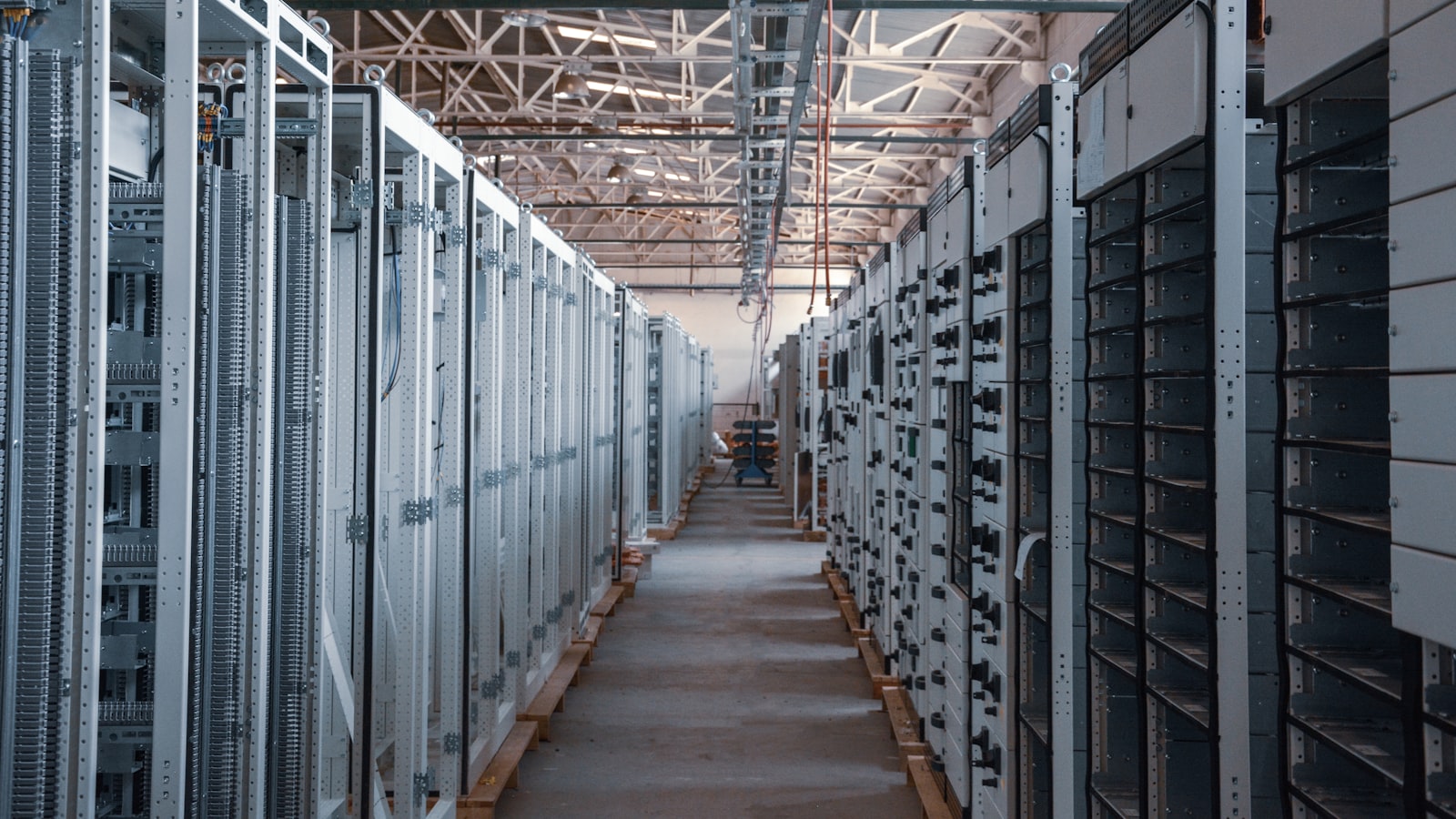
uSystems serves hospitals, pharmacies, clinics, and finance teams from one platform — yet no two of them should ever see a trace of each other’s data. The structure that makes that possible is what we call a constellation: a fully isolated tenant, with its own data and configuration, served from shared infrastructure.
Every request is scoped to a constellation from the moment it arrives. Data access is filtered by tenant at the lowest level, not patched on at the top, so a query simply cannot reach across the boundary. Isolation is the default state, not a rule someone has to remember to apply.
Within a constellation, a customer can run several product lines — OPD, pharmacy, inventory, accounting — that share one patient and transaction record. Across constellations, those worlds never meet. That balance lets a fifty-bed hospital and an independent pharmacy each get software that feels built for them, on infrastructure we can operate and improve once.
Multi-tenancy is easy to get almost right and dangerous to get slightly wrong. Treating isolation as the foundation — not a feature — is what lets us scale to dozens of organisations and still promise each of them that their data is theirs alone.