

Offline-First: Keeping Clinics Running When the Network Doesn’t
25 Jun 2026
This website is under development — some content and data may be incomplete or inaccurate.
Learn moreSara Ahmadi
Product Manager
28 May 20264 min read
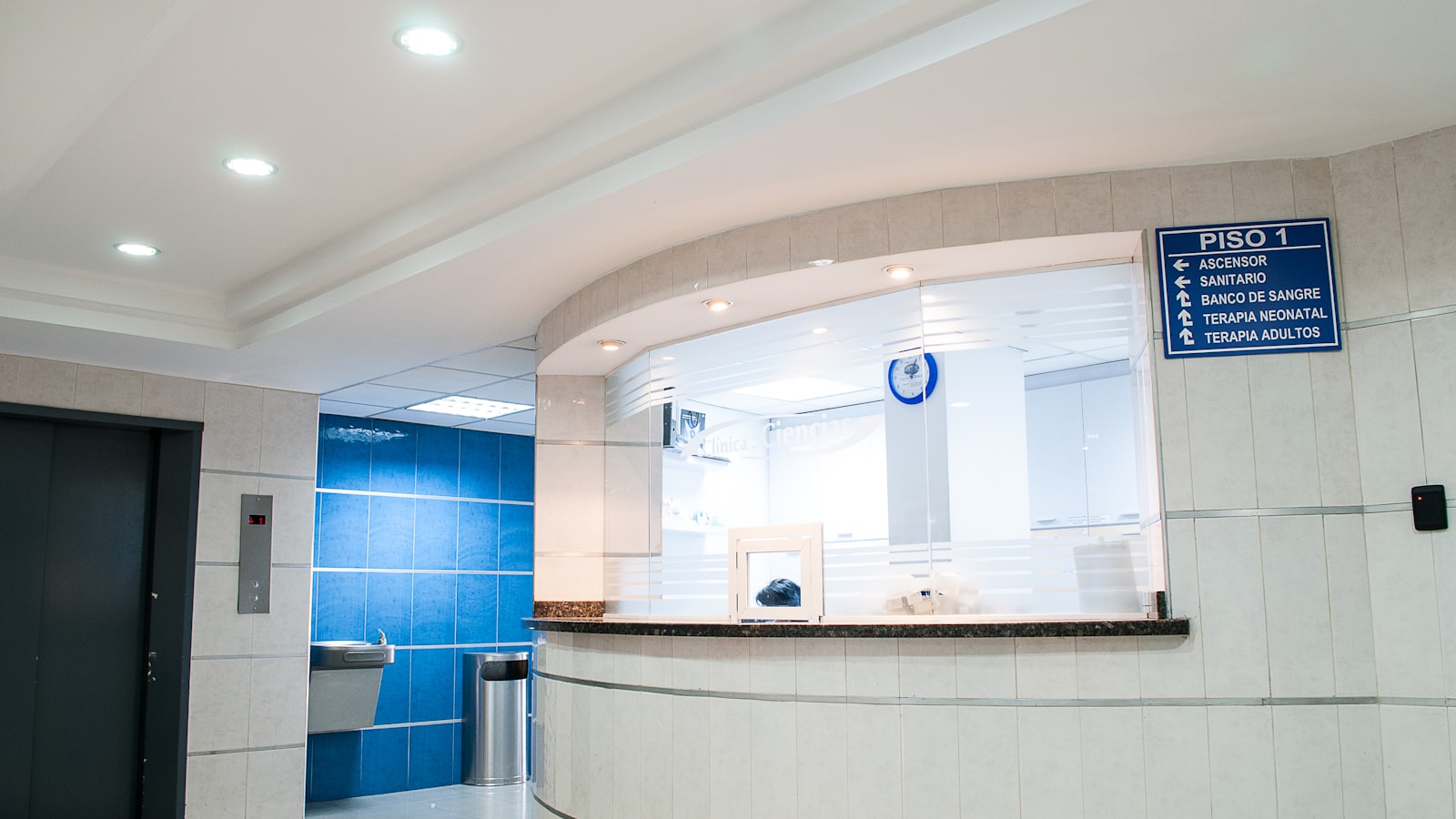
When we started, registering a single outpatient meant jumping between three tools: one to capture the patient, one to take payment, and a paper register for the queue. Reception staff were doing heroic work to hold it together. The OPD module set out to collapse all of that into one calm screen.
Before writing any code, the team spent a sprint shadowing real clinics — timing every tap, every handoff, every moment a patient had to be asked the same question twice. That research reshaped the data model: a visit became the spine that registration, triage, the queue, the cashier, and reporting all hang off.
Today a patient is registered once and flows through the whole visit on a live token queue. Triage sets priority, doctors call the next patient from a shared display, and charges are settled at the cashier without re-entering anything. Because every step writes to the same visit, the day’s revenue and patient counts are already reconciled by the time the clinic closes.
We released early and often, letting pilot clinics try rough versions and tell us what hurt. Their feedback produced the queue view that is now the most-used part of the module. The lesson stuck: the fastest way to the right workflow is to build it next to the people who live in it.